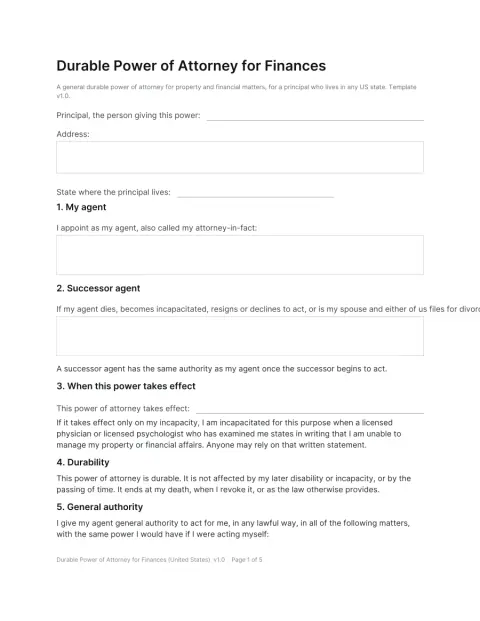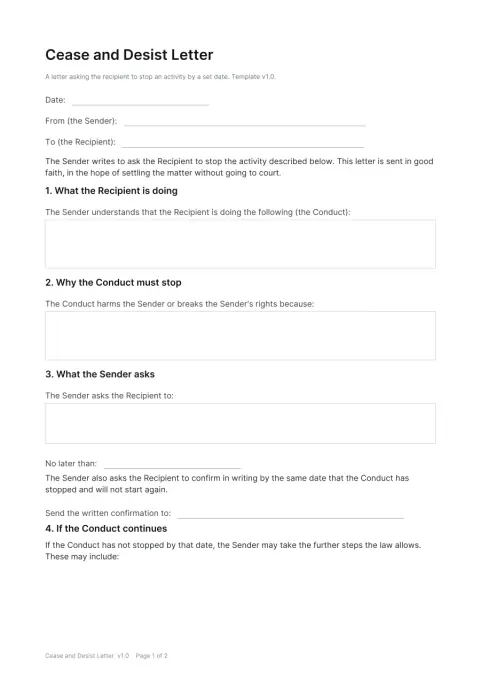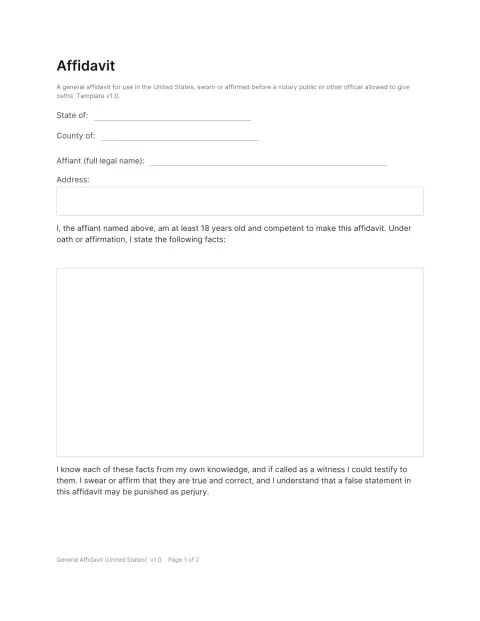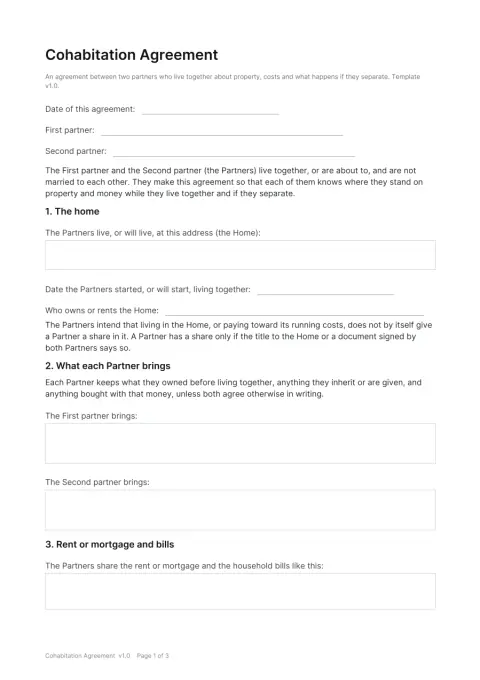
United States
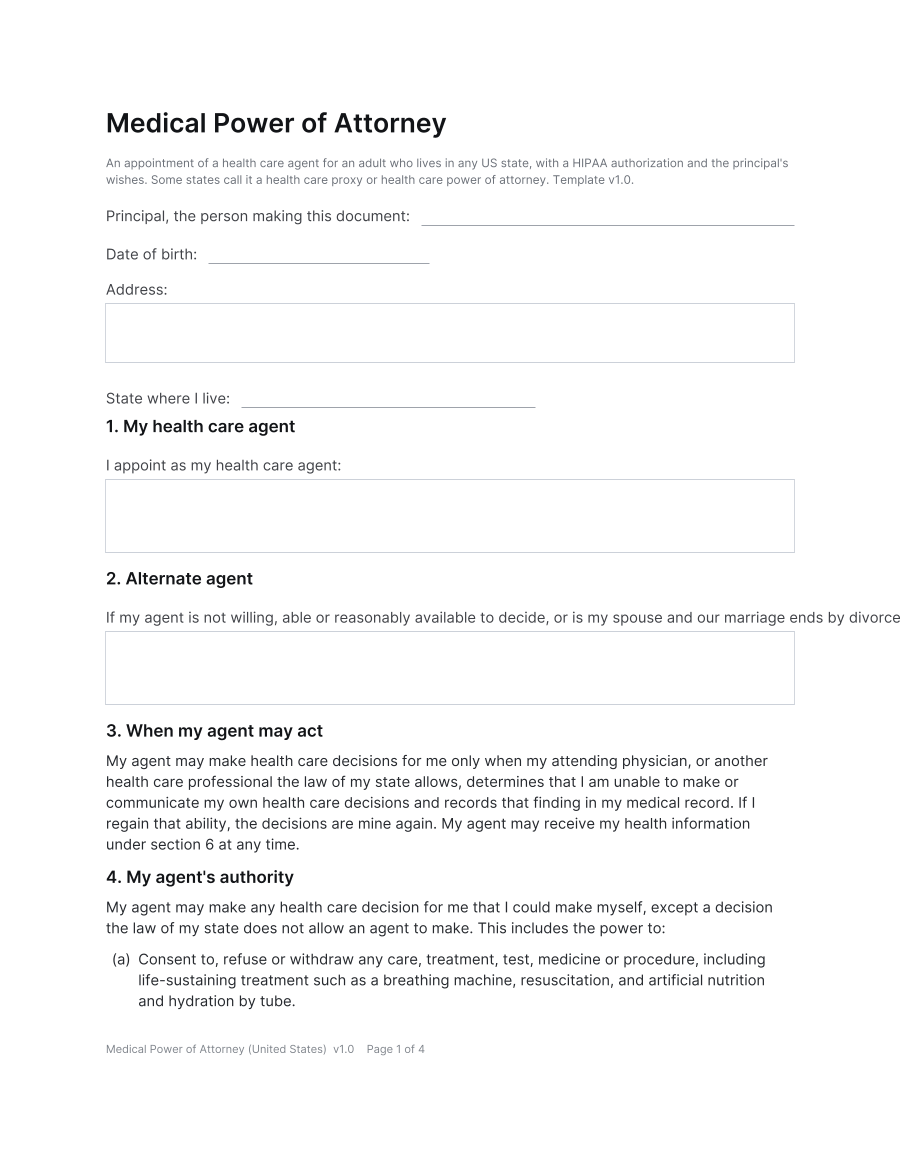
Print and sign in inkPrint it and sign it in ink in front of two witnesses, who sign it too.
Steps
- Print the document.
- Sign it in front of two qualified adult witnesses who sign too, or before a notary where your state allows.
- Give copies to your agent, your doctor and your hospital.
What the law asks for
- E-signature
- Only in some casesHealth care powers of attorney follow each state's own form and witness rules. Sign prepares it to print.
- Witnesses
- TwoMost states need two adult witnesses or a notary. A witness is usually not the agent and not the principal's health care provider.
- Notary
- OptionalIn many states a notary can take the place of the two witnesses.
- Remote signing
- Not confirmed
- Registration
- Not neededGive copies to the agent and the doctor.
- Stamp duty
- Not needed
Where the rules differ
| State | How it is signed | E-signature | Witnesses | Notary | Registration | Stamp duty |
|---|---|---|---|---|---|---|
| California | Print and sign in ink | Only in some cases | Two | Optional | Not needed | Not needed |
California accepts an electronic advance health care directive only when it is acknowledged before a notary and the digital signature meets Probate Code 4673(b). | ||||||
| Florida | Print and sign in ink | Only in some cases | Two | Not needed | Not needed | Not needed |
| New York | Print and sign in ink | Only in some cases | Two | Not needed | Not needed | Not needed |
New York uses a health care proxy. | ||||||
| Texas | Print and sign in ink | Only in some cases | Two | Optional | Not needed | Not needed |
Texas has a statutory medical power of attorney form. | ||||||
Sources
Checked October 25, 2026 against these sources.